

Skip to content

Opportunities

The failures are in the handoffs. So is the accountability.

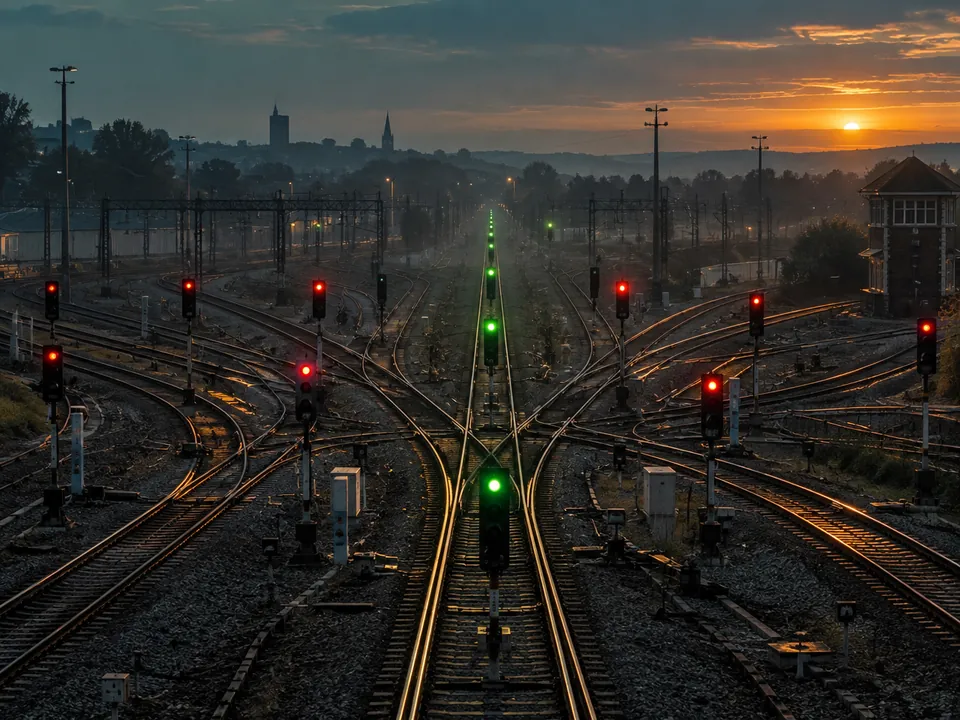
Anyone who has run a radiopharmaceutical lane has seen the same failures, and they cluster where custody changes hands, not in the air or on the road.

Aerial view of a hedge maze at dusk, with one lit path running through it to the center
One way through The route is mapped, and every turn anticipated, before the first dose moves.

Where custody changes hands

Papers that stop matching the package

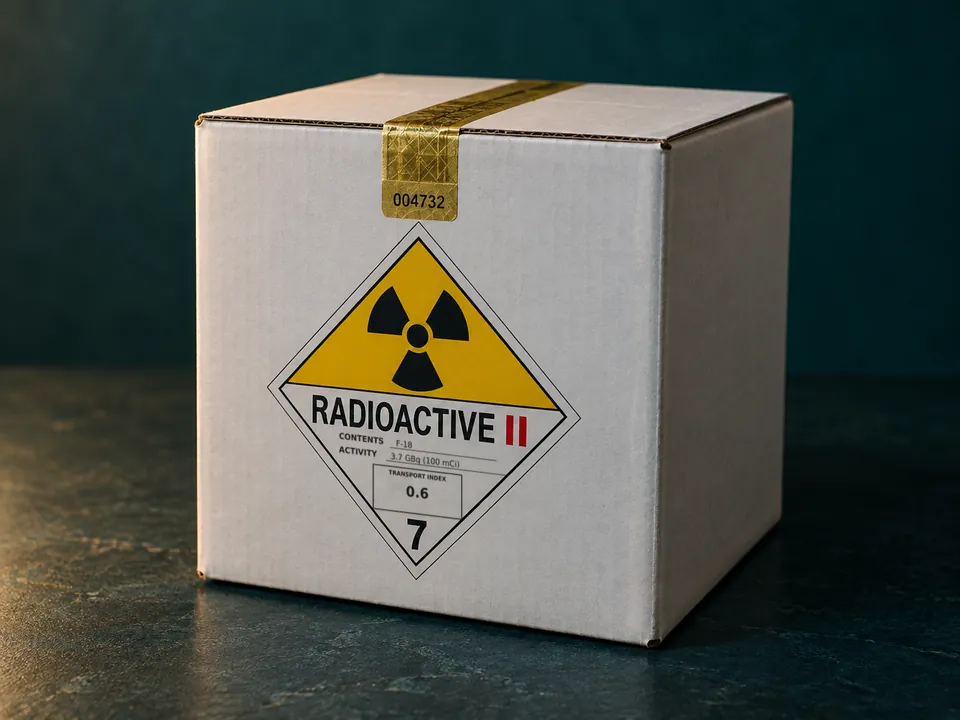
The shipper's declaration, the air waybill and the courier's manifest are three documents from three companies. Once packages are consolidated or handed off, the transport index and category on the papers can stop matching what is on the package, and the receiver's RSO is the one who finds out.
Training that is assumed, not checked

Every company that touches the package is a hazmat employer under 49 CFR Part 172 Subpart H, responsible for its own people. Nobody verifies the next company's driver, and lapsed Class 7 training is invisible until an inspector asks for the record.

Limits that change with the aircraft

Transport index limits and acceptance of radioactive material depend on the operator, its authority and the aircraft, not on what the previous leg accepted. A package that was fine on the truck can be refused at the ramp, and the dose keeps decaying while someone finds out why.

Exceptions with no owner

A weather hold, a missed connection, a damaged outer package. In a multi-party lane the first hour goes to finding out who is responsible. In one lane it goes to the fix.

A receipt from whoever was at the door

Custody ends with a signature, and a signature at the loading dock is not custody at the hot lab. The receiver's survey, its license and its records have to line up with what was delivered, and when.

Ask any logistics provider these eight questions.See the questions

Centragen runs the whole lane, so the handoffs are ours to control and the record is one record.

The discipline behind it is Lean Six Sigma, applied to every lane before the first dose moves and after every shipment. What you see is the result:

  • Every handoff counted
  • Every operator named
  • Every handler's training current
  • Every exception owned
  • A signature at the hot lab

Due diligence

Ask any logistics provider these eight questions.

Each answer tells you who is accountable for your dose. Hover over or tap a question to see why it matters.

We answer all eight in writing, for your lane, before you sign.

Request a lane quote
  1. Every leg runs under someone's authority. If a carrier can't name it for each leg, no one holds it.

  2. The papers can come from three different companies. The operator named on them is the one who answers for that leg.

  3. Limits change with the operator, its authority and the aircraft. Find out at booking, not at the ramp.

  4. Failures cluster where custody changes hands. Every handoff is another company, another set of papers and another phone number.

  5. Each company trains its own people under 49 CFR Part 172 Subpart H. Lapsed Class 7 training stays invisible until an inspector asks.

  6. When a package is damaged or late, someone has to talk to your RSO. Ask for a name, not a department.

  7. In a multi-party lane the first hour goes to finding out who is responsible. Ask who owns the exception.

  8. A signature at the dock is not custody at the hot lab. See what the record will show before you trust a dose to it.